Siding Installation in Moline, IL: Choosing the Right Material
New siding installation in Moline, IL does more than refresh your home's appearance; it creates a weather-resistant barrier that shields wall framing and insulation from the region's harsh seasonal swings.
Which Siding Materials Work Best in the Midwest?
Vinyl, fiber cement, and engineered wood are the three most common siding materials chosen by Midwest homeowners because each handles temperature fluctuation and moisture exposure differently.
Vinyl siding is lightweight, does not require painting, and resists moisture absorption, making it a low-maintenance option for homes in areas with wet springs and cold winters. Its main limitation is that it can become brittle in extreme cold and may crack if struck by hail or debris during a storm.
Fiber cement siding holds paint longer than wood, resists insects and rot, and carries a fire-resistance rating that some insurance carriers recognize. It is heavier than vinyl, which means installation requires more labor, but the added density also gives it better impact resistance against the hailstorms common in the Quad Cities area.
Homeowners interested in exploring siding installation options in Moline, IL can compare material profiles side by side to find the balance of durability, appearance, and maintenance that fits their home and budget.
Does New Siding Improve Energy Efficiency?
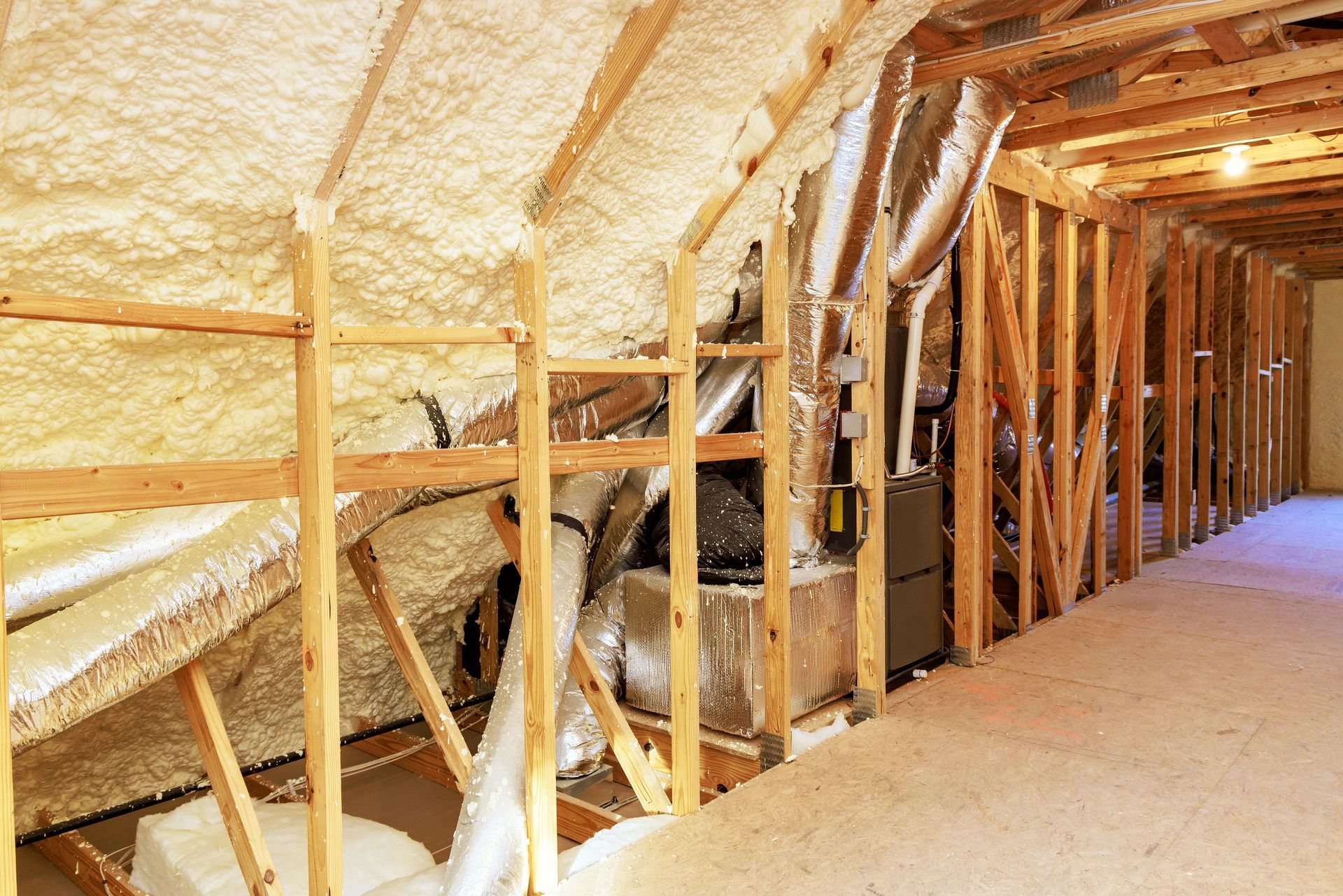
Insulated siding panels with a foam backing can reduce thermal bridging through wall studs, lowering heat transfer and contributing to a more consistent indoor temperature year-round.
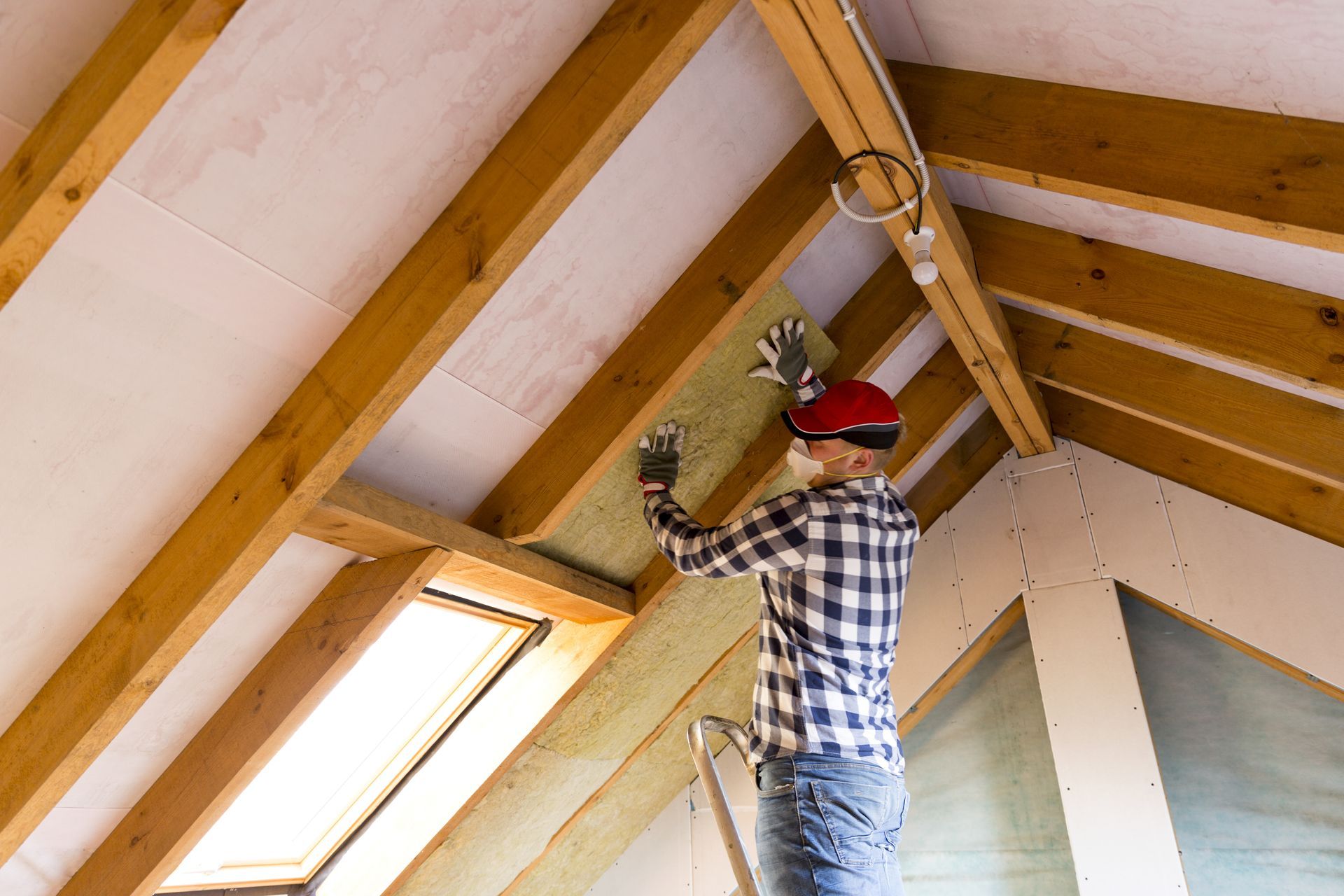
Standard siding without insulation primarily serves as a weather barrier rather than a thermal one, so pairing a siding replacement with an attic or wall insulation upgrade delivers a more complete energy improvement. The combination addresses both the envelope and the thermal layer at the same time, which is especially effective in older Moline homes built before modern energy codes.
Proper installation technique matters as much as material choice. Gaps at seams, improperly overlapped panels, or missing moisture barriers behind the siding can allow water infiltration that damages the wall assembly over time, offsetting the visual and protective benefits of the new material.
What to Inspect Before a Siding Project Begins
Before new siding goes up, the existing wall sheathing, house wrap, and any visible framing should be checked for moisture damage, rot, or pest activity that would need to be addressed first.
Skipping this step and installing new siding over compromised sheathing traps existing moisture and accelerates decay behind the new panels. Identifying and repairing problem areas before installation protects the investment and prevents a more expensive repair down the road.
How Moline's Freeze-Thaw Cycle Affects Siding Longevity
Moline, IL experiences repeated freeze-thaw cycles each winter, and that movement stresses siding fasteners, caulk joints, and panel seams in ways that milder climates do not produce.
Panels that are nailed too tightly cannot expand and contract with temperature changes, leading to buckling or cracking over time. A properly installed siding system accounts for this movement by leaving the correct gap at fastener points and using flexible sealants at trim intersections.
Caulk around windows, doors, and corner trim should be inspected each spring after the freeze-thaw season ends. Cracked or missing caulk at these transition points is one of the most common entry paths for water in Midwest homes, and addressing it promptly extends the life of both the siding and the underlying wall assembly.
When you are ready to plan your project, reviewing exterior remodeling services in Moline, IL gives you a full picture of how siding fits alongside other home improvements. Home Comfort Keepers is ready to help you select and install the right siding for your home.